
There is a moment at a good barbecue joint, usually about three bites into a slice of brisket, when a cold beer stops being enough. The meat is doing too much: smoke, fat, salt, char, all layered on top of each other. A light lager washes it down and then leaves. What you want is a drink that answers the meat instead of rinsing it away, and more often than you would think, that drink is Scotch.
The logic is simpler than it sounds. Barbecue is built on wood smoke. Certain Scotches are built on peat smoke. Put them together and the same flavor keeps showing up from two directions, which is what makes a pairing feel deliberate rather than accidental. But the trick is matching the right region of Scotch to the right style of barbecue, because a dram that flatters Memphis ribs will bury Carolina pork, and the reverse is just as true.
Here is how the four great American smoked meats line up against the glass.
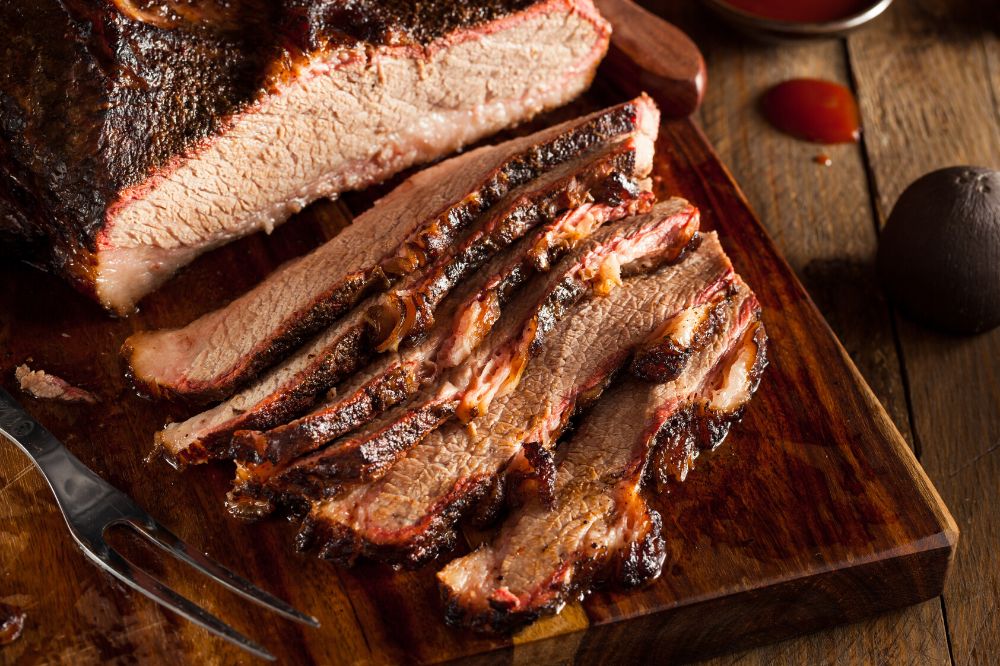
Central Texas Brisket and Peaty Islay
Peat smoke and post-oak smoke come from the same place on the palate, which is why a heavily peated Islay stands up to the blackened, pepper-crusted bark on a Central Texas brisket where a lighter dram would vanish. Islay malts carry the same campfire and iodine notes that a long smoke leaves on beef, so the two reinforce each other instead of competing. If you want to sort the smoky Islays from the sweeter Speysides before you pour, this guide to the five Scotch regions breaks down what each one tastes like. The Whisky Club’s rundown covers Islay’s peaty coastal punch, Speyside’s fruit, and the briny Campbeltown malts worth trying against vinegar-sauced Carolina pork.
Think of the brisket you get from a pitmaster like Aaron Franklin in Austin, or the sausage-and-brisket spread at Louie Mueller in Taylor: coarse black pepper, kosher salt, twelve hours over oak, a smoke ring you can see from across the table. That much char needs a partner with its own weight. An Ardbeg or a Laphroaig, all tar and bonfire, meets the bark head on. A grassy Lowland dram would be gone before the fat coats your tongue. This is the one pairing where you want the whisky to be almost aggressive, because the meat is.
One caution: if your Islay is heavily peated, keep the pour small and let it sit a minute. Brisket that fatty can make a big peat monster taste medicinal if you gulp it. Sip, chew, then sip again.
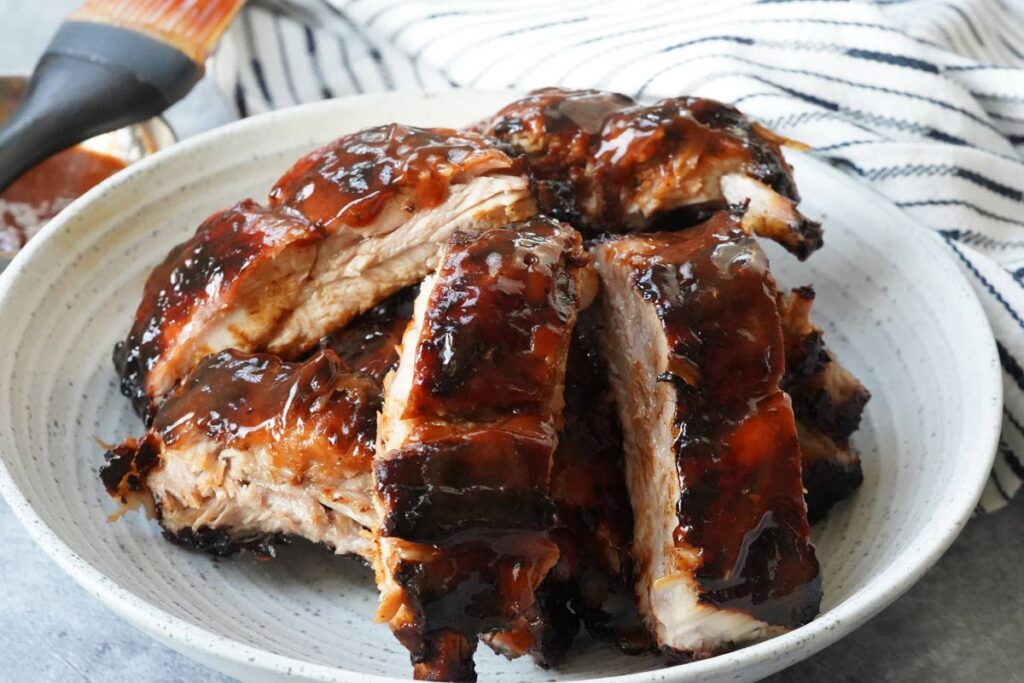
Sweet-Sauced Ribs and Speyside
Memphis and Kansas City send the pairing in the opposite direction. A rack of Memphis dry-rub ribs leans on paprika, brown sugar and a rub that caramelizes into a sweet crust across the meat. Kansas City ribs and burnt ends go further, lacquered in a thick tomato-and-molasses sauce that turns sticky and dark on the smoker. Fight that sweetness with peat and you get a muddle. Echo it, and it sings.
Speyside is the answer here. These are the malts matured in sherry and bourbon casks, full of dried fruit, honey, baked apple and a warm vanilla that sits right next to brown sugar. A sherried Aberlour or a honeyed Balvenie against a burnt end is dessert and main course in the same mouthful. The whisky picks up the molasses in the sauce and adds orchard fruit the meat does not have on its own.
Burnt ends deserve a special mention because they are the sweetest and fattiest thing on the Kansas City menu, those cubed and re-smoked brisket points that soak up sauce like a sponge. A cask-strength Speyside with some sherry richness has the sugar and the body to keep pace. Go too delicate and the sauce flattens the whisky. This is a rare case where a bigger, sweeter dram is the safer choice.
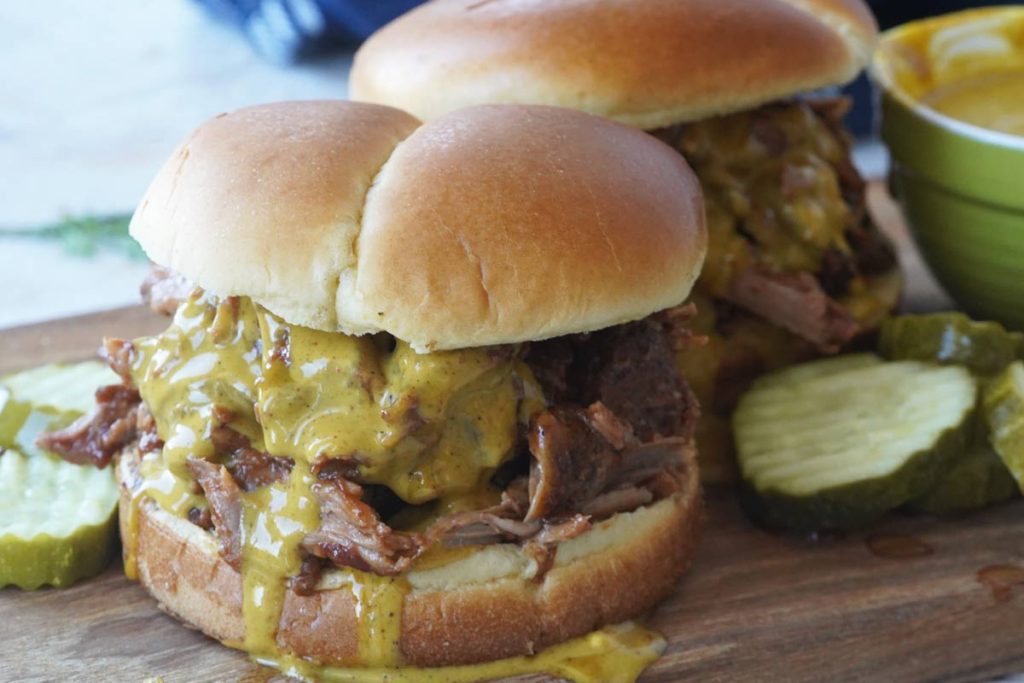
Carolina Pulled Pork and Coastal Campbeltown
Carolina pork is the pairing that trips people up, because the meat itself is mild and the sauce is not. Eastern Carolina whole-hog pulled pork gets dressed in a thin vinegar-and-pepper sauce, sharp and tangy, cutting straight through the richness of the pork. A sweet Speyside collapses against that acidity. A peat bomb steamrolls the delicate smoked shoulder underneath.
What works is Campbeltown, the smallest whisky region and the hardest to pin down. Its malts are oily and faintly briny, with just a touch of smoke and a salinity that reads almost like the vinegar tang in the sauce. A Glen Scotia has enough coastal character to stand up to the pepper without flattening the pork. The brine in the glass and the vinegar on the plate pull in the same direction, and the whisky’s weight holds under the acid where a lighter malt would give way.
If you cannot find a Campbeltown bottle, a lightly peated Highland malt is a decent stand-in: enough smoke to nod at the pork, enough body to survive the sauce, without the full Islay assault.
Serving it Without Wrecking Either
A few practical notes, because the pour matters as much as the bottle. Skip the ice. Cold and dilution both flatten the smoke and mute the fruit, and you want every bit of both against food this loud. A splash of room-temperature water opens up a cask-strength dram, no more than that. Serve slightly below room temperature, in a glass that narrows at the top so the aromas gather.
Keep the pours small. Barbecue is a long meal and Scotch is not beer. Half an ounce alongside each style, sipped between bites rather than gulped, will carry you through a whole spread without dulling your palate or your afternoon.
And do not overthink the exact bottle. The regions are the map, not the individual labels. Match a smoky meat to a smoky region, a sweet meat to a fruity one, a tangy meat to a briny one, a rich meat to a bright one, and you are most of the way there. The pitmaster spent twelve hours getting the meat right. The least you can do is pour something that was paying attention.

Laura is the founder and editor of the travel blogs Savored Sips and Savored Journeys. She is dedicated to sharing the best information about drinks found around the world.