
If you have ever paused to ask what cheese curds are, you are already part of a growing food movement in the United States. These small dairy bites have moved far beyond local fame. They now represent freshness, simplicity, and real flavor. For many people, discovering cheese curds USA culture feels like uncovering a delicious secret hiding in plain sight.
Unlike aged cheeses that wait months for perfection, fresh cheese curds are enjoyed almost immediately. You notice the difference at once. The taste is clean. The texture is lively. The experience feels honest. That is why farm-fresh cheese curds continue to win loyal fans across generations.
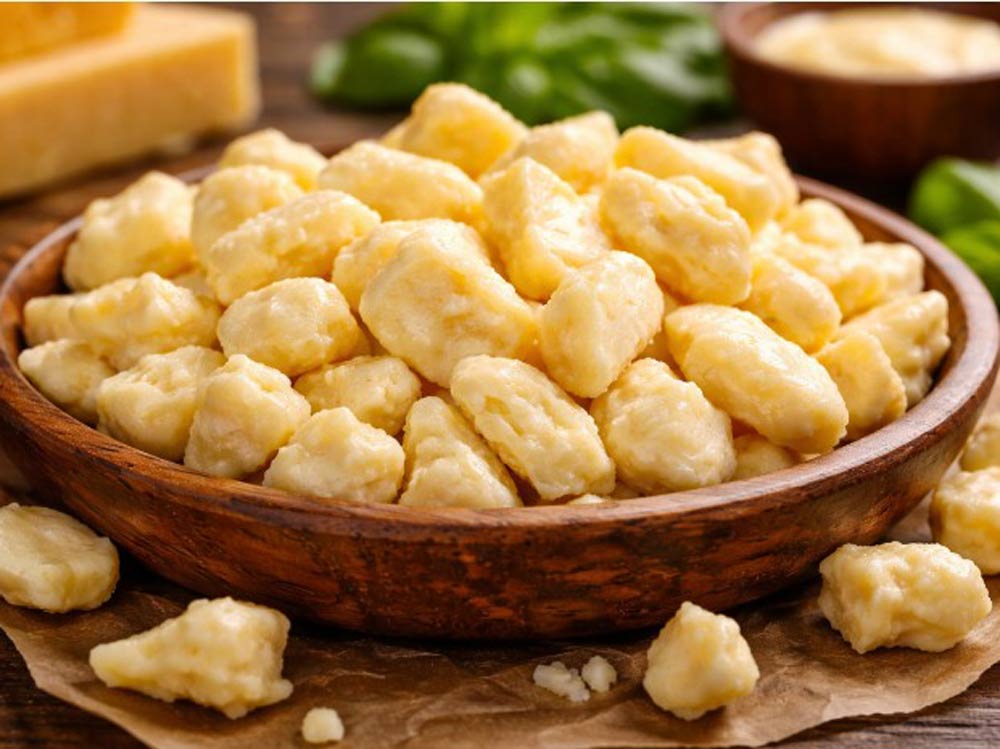
What Are Cheese Curds?
At their simplest, what are cheese curds comes down to timing. Cheese curds are the earliest solid stage in the cheese curd process, formed before aging ever begins. Because they are unaged cheese, they keep moisture and softness that aged cheese loses. You taste milk first, not sharpness.
During production, cheese curds whey drains away, leaving behind tender milk curds. These curds have a soft cheese texture and a gentle spring. That spring creates the famous bite squeak that signals true freshness and quality.
Where Do Cheese Curds Come From?
The cheese curds origin story starts on dairy farms where cheesemakers noticed something special. Long ago, curds were leftovers from cheddar production. Families ate them fresh. Word spread quickly. That tradition shaped the Midwest cheese tradition, especially in dairy-heavy states.
Today, cheese curds Midwest culture still thrives. However, production now spans the country. Modern cheese curds dairy operations combine old knowledge with careful controls. This balance keeps curds authentic while meeting modern expectations.
What Are Cheese Curds Made Of?
Understanding cheese curds ingredients explains why they taste so clean. Only a few elements work together through lactic acid fermentation to create structure and flavor. Each ingredient matters.
Milk
Quality milk sets the tone. Most producers rely on pasteurized milk cheese practices for safety and consistency. The milk keeps its natural fat, forming fresh dairy curds with smooth flavor. This foundation defines cheese curds’ flavor.
Salt
Salt shapes texture and taste. It supports whey separation and balances acidity. Without it, curds feel dull. With it, flavor opens naturally and supports cheese curds’ freshness.
Cheese Culture
Living cheese culture bacteria consume lactose and create gentle acidity. This drives lactic acid fermentation and strengthens curds. Flavor develops quietly without additives.
Microbial Rennet
Microbial rennet causes milk to coagulate. Solids form. Whey releases. This reaction marks the start of how cheese curds are made and defines structure.
How Are Cheese Curds Made?
The cheese curd making process rewards patience. Every stage affects texture. Errors cannot hide. That is why traditional American cheese curds depend on skilled hands.
Milk Preparation
Milk warms slowly. Temperature stays precise. This protects proteins and preserves cheese curds texture.
Adding Cultures and Rennet
Cultures and rennet enter next. Milk thickens naturally. This step sets the base for cheese curds cheddar character.
Cutting and Cooking the Curd
Curd cutting releases whey evenly. Then curd cooking firms the curds. Moisture escapes gradually.
Cheddaring Process
During the cheddaring process, slabs stack and turn. Acid builds. Density increases. This creates the curd’s resilient body.
Final Cutting and Packaging
Finally, curd milling cuts slabs into snack-sized pieces. Salting follows. Quick cheese curds packaging preserves quality.
| Stage | Purpose | Result |
| Cutting | Whey release | Uniform curds |
| Cooking | Firming | Elastic texture |
| Cheddaring | Acid control | Dense structure |
| Milling | Size control | Ready-to-eat curds |
Why Are Cheese Curds Squeaky?
The charm of cheese curds’ squeaky texture comes from protein structure. Fresh proteins rub against your teeth. That friction creates the fresh curd squeak.
As curds age, moisture shifts. Proteins relax. The sound fades. That is why squeaky cheese signals peak quality and careful handling.
How to Eat and Serve Cheese Curds
Few foods adapt as easily as eating cheese curds. You enjoy them plain or transformed. Their mild nature welcomes creativity.
Enjoying Cheese Curds Fresh
Fresh curds taste best at room temperature. Texture stays lively. The flavor remains clean. A cheese curds snack satisfies without effort.
Cooking and Frying Cheese Curds
Heat changes everything. Fried cheese curds develop crisp shells and molten centers. They anchor comfort foods and inspire cooking with cheese curds at home.
What Foods Pair Best with Cheese Curds
Balance matters. Fruit adds sweetness. Meats add depth. Honey softens edges. Thoughtful cheese curds pairing elevates gatherings. Cheese curds charcuterie boards now appear everywhere.
Popular Cheese Curd Recipes and Ideas
Across North America, curds inspire creativity. Cheese curds poutine remains iconic, blending fries, gravy, and curds into comfort perfection. Restaurants also feature curds as a classic cheese curds appetizer.
Home kitchens favor simplicity. Melt them into eggs. Scatter them over salads. Young cheddar curds shine where melt and chew matter most.
Health Benefits of Cheese Curds
Curds deliver more than comfort. They support dairy nutrition with real substance. Each serving contributes valuable nutrients.
| Nutrient | Benefit |
| Calcium | Bone strength |
| Protein | Muscle support |
| Fat | Satiety |
As a calcium rich cheese, curds outperform many snacks. They remain minimally processed cheese, preserving natural value.
Shelf Life and Storage Tips for Cheese Curds
Freshness defines quality. Many ask how long do cheese curds last. The answer is simple. Not long by design.
Cheese curds refrigeration slows change. Brief room temperature cheese curds rest can restore texture. Smart storing fresh cheese keeps the flavor pleasant even after the squeak fades. Cheese curds shelf life remains short because freshness is the point.
Frequently Asked Questions About Cheese Curds
Why are they called cheese curds?
They are called cheese curds because they are the solid lumps formed when milk coagulates during the cheese curd process.
Are cheese curds the same as mozzarella?
No, mozzarella is a stretched-curd cheese, while cheese curds are unaged cheese with a springy texture.
Can cheese curds be frozen?
Freezing is not recommended, as it changes the texture and reduces the fresh curd squeak.
How fresh should cheese curds be?
Cheese curds are best eaten within a few days of production for maximum cheese curds freshness and squeak.

Laura is the founder and editor of the travel blogs Savored Sips and Savored Journeys. She is dedicated to sharing the best information about drinks found around the world.